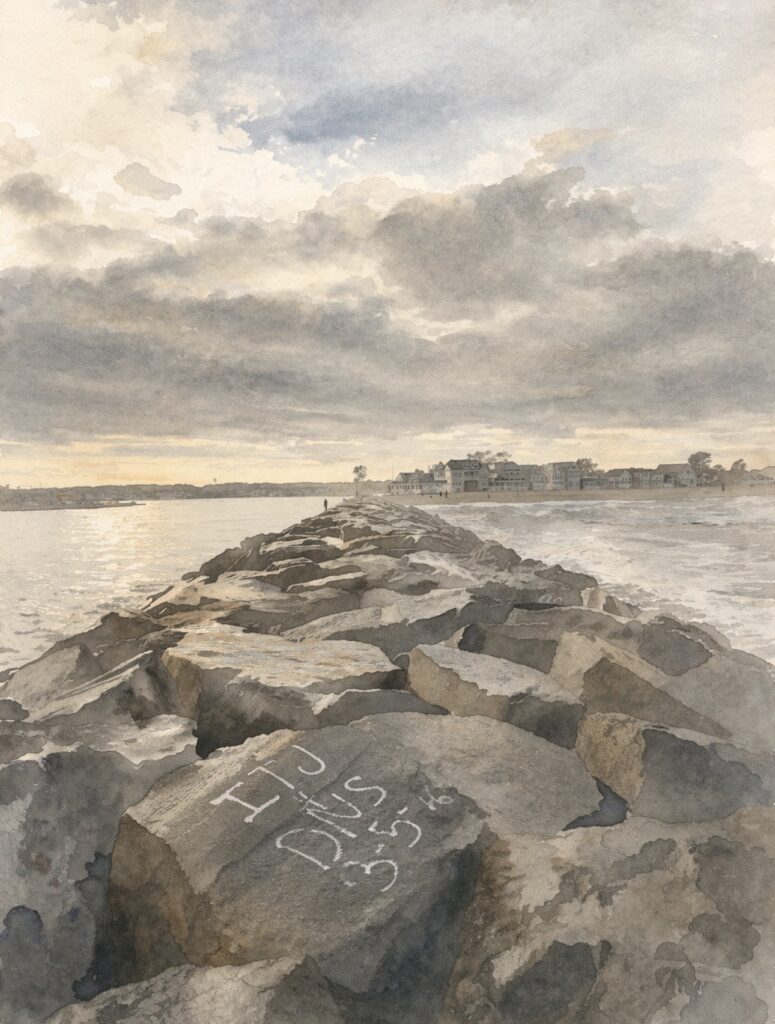
If so, I think at my lowest point, I was…grey. Nothing had color, nothing had sparkle.
I’m not really sure when joy or color left my life. I hardly noticed. Somewhere along the way, as I slogged through my days — checking off lists that never seemed to end — I disappeared. Like a ghost, diminished and grey, drifting through life yet not experiencing it.
Did I laugh anymore? I honestly couldn’t tell you.
What I could tell you is that living in the grey had become unbearable. When my only happy thought upon rising was to finish and drag myself back to bed, something had to change.
There is a name for this grey feeling, this emotional numbness and inability to feel joy. It’s called anhedonia. Better known as emotional exhaustion. And knowing that changed everything for me.
How did we get here?
For me — it was by filling up every available moment. I was excellent at filling my days. Between keeping the household running or being a mentor at work, I never stopped. I could jump between making dinner and looking up medical lessons for work in a second. Even the space between doing things was used to plan doing other things. Not a second left to just breathe.
There is a hidden cost to being the reliable one, the one everyone else can always depend on. We lose ourselves caring for everyone else. There is an actual name for this pattern — fawning. It’s what happens when we perform and accommodate others in order to feel safe and accepted. Not out of genuine kindness. But out of fear of what happens if we don’t.
Are You Mad At Me, by Meg Josephson, delves into the concept of people pleasing and fawning. This is performing for others and it can be exhausting. But, since this is a learned pattern, it can change.
By overlooking our needs in caring for others, we train ourselves — and maybe those around us — that our needs don’t matter quite as much. Which can translate to you don’t matter quite as much.
Living in this diminished state takes a toll, emotionally and physically. We’re helping others who need it more. It would be selfish to not help, right? But by not valuing our own needs we cause stress and pain in ourselves. So we block them, push them away so it doesn’t hurt. And in doing so, we also block pleasure and joy. By suppressing both, we are left feeling exhausted and numb and walking around in this fog.
Here’s the relief — you are not broken. Neither was I. I wasn’t quite sure in the beginning. But this is simply a response to stress. It can be fixed. And this is how we start.
We need to hear ourselves again. To learn to slow down and value what was pushed aside.
This numbness, this grey fog started when we suppressed our thoughts and feelings so we could just get by. It helped us survive in the moment. Now, we move forward by allowing them out, into the sunshine, to look at and to feel them again. Not with judgement but with compassion. After all, we did an amazing job at holding things together.
This is where journaling became important to me — and why I created The Quiet Rise. Not as another task but as a space to let what was buried finally breathe. Sitting with our feelings allows us to reconnect to what we lost while surviving. And bringing those feelings out into the sunshine clears up this grey fog — allowing color and pleasure back into your life.
It can start with a simple question — What did I once love that I feel like I lost? And can I bring it back?